Building responsibly through thoughtful design
At Edifice Bracket, sustainable architecture begins with thoughtful design—using passive strategies, responsible materials, landscape integration and efficient planning to create buildings that are comfortable, durable and responsive to both people and the environment.
Sustainability is no longer a separate consideration within architecture it is becoming an essential part of creating buildings that perform effectively, remain relevant over time and contribute positively to their environment. As awareness of environmental impact continues to grow, architects have an increasingly important role in shaping more responsible built environments.
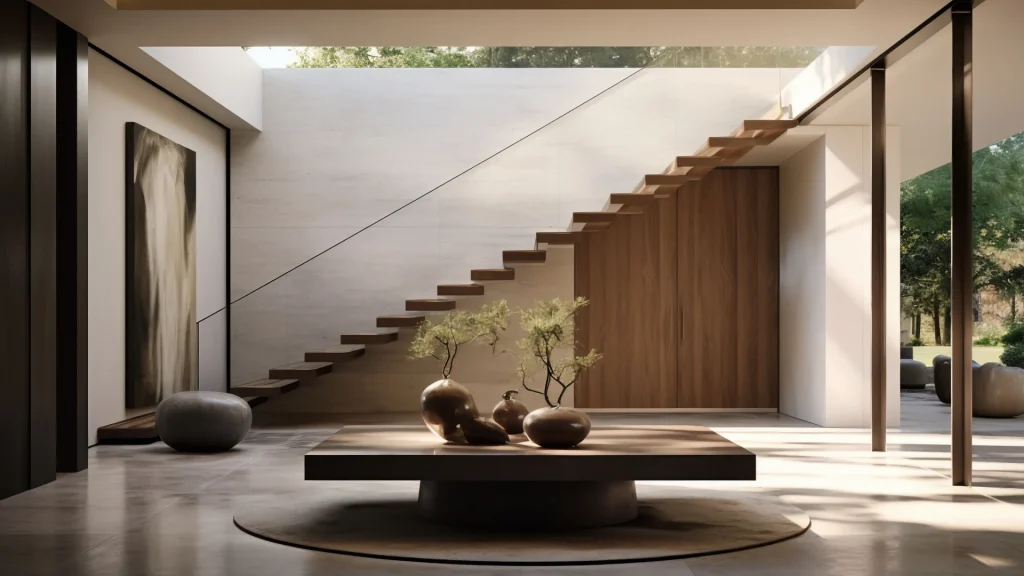
The foundation of sustainable architecture often begins with simple yet powerful design decisions. Building orientation, natural ventilation, solar control, daylight access and efficient spatial planning can significantly influence energy performance long before technology is introduced. These passive design strategies help create buildings that are naturally comfortable while reducing reliance on mechanical systems.
Material selection is another important consideration. Durable, locally sourced and environmentally conscious materials can reduce long-term environmental impact while contributing to the character and longevity of a building. Choosing materials that age gracefully and require less maintenance also supports long-term sustainability goals.
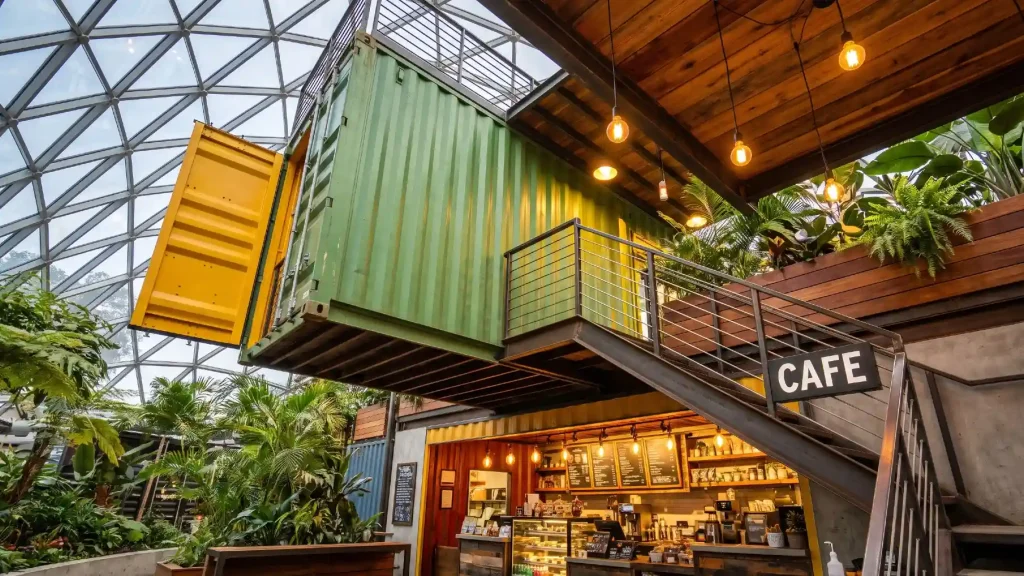
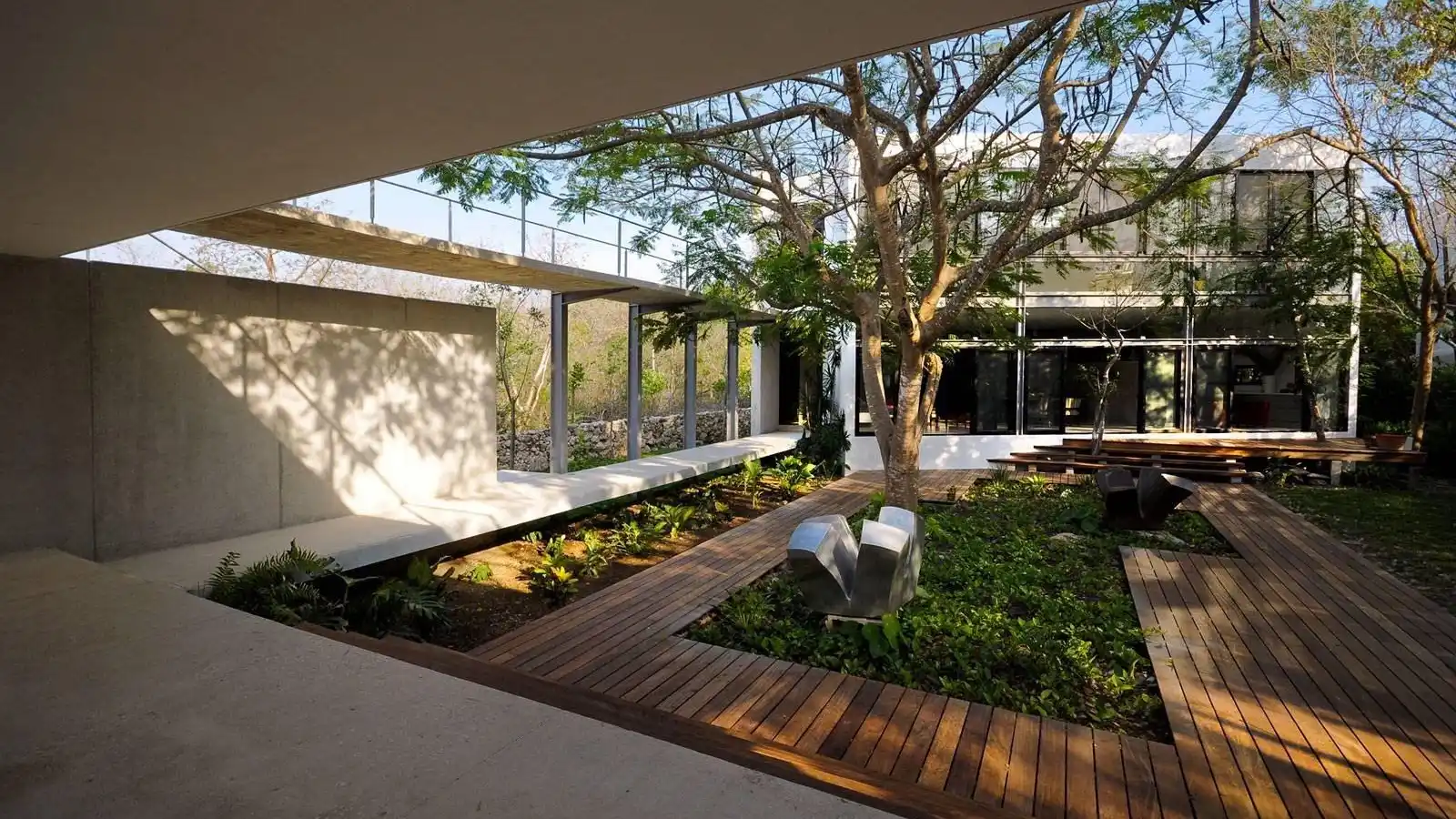
Water management, landscape integration and biodiversity are becoming increasingly relevant aspects of contemporary architecture. Thoughtfully designed outdoor environments can improve microclimates, enhance user wellbeing and strengthen the relationship between buildings and nature.
Sustainable architecture is ultimately about balancing environmental responsibility with human experience. Buildings must remain comfortable, functional and adaptable while reducing resource consumption and supporting long-term performance.
At Edifice Bracket, sustainability is integrated into the design process from the earliest stages of planning. Rather than viewing sustainability as an additional feature, we see it as a guiding principle that informs decisions about orientation, materiality, performance and construction. By considering these factors holistically, we can create spaces that are efficient, enduring and responsive to their surroundings.
As the built environment continues to evolve, sustainable design will remain central to creating architecture that serves both present and future generations.
Latest Insights
Recent thoughts and updates from Edifice